
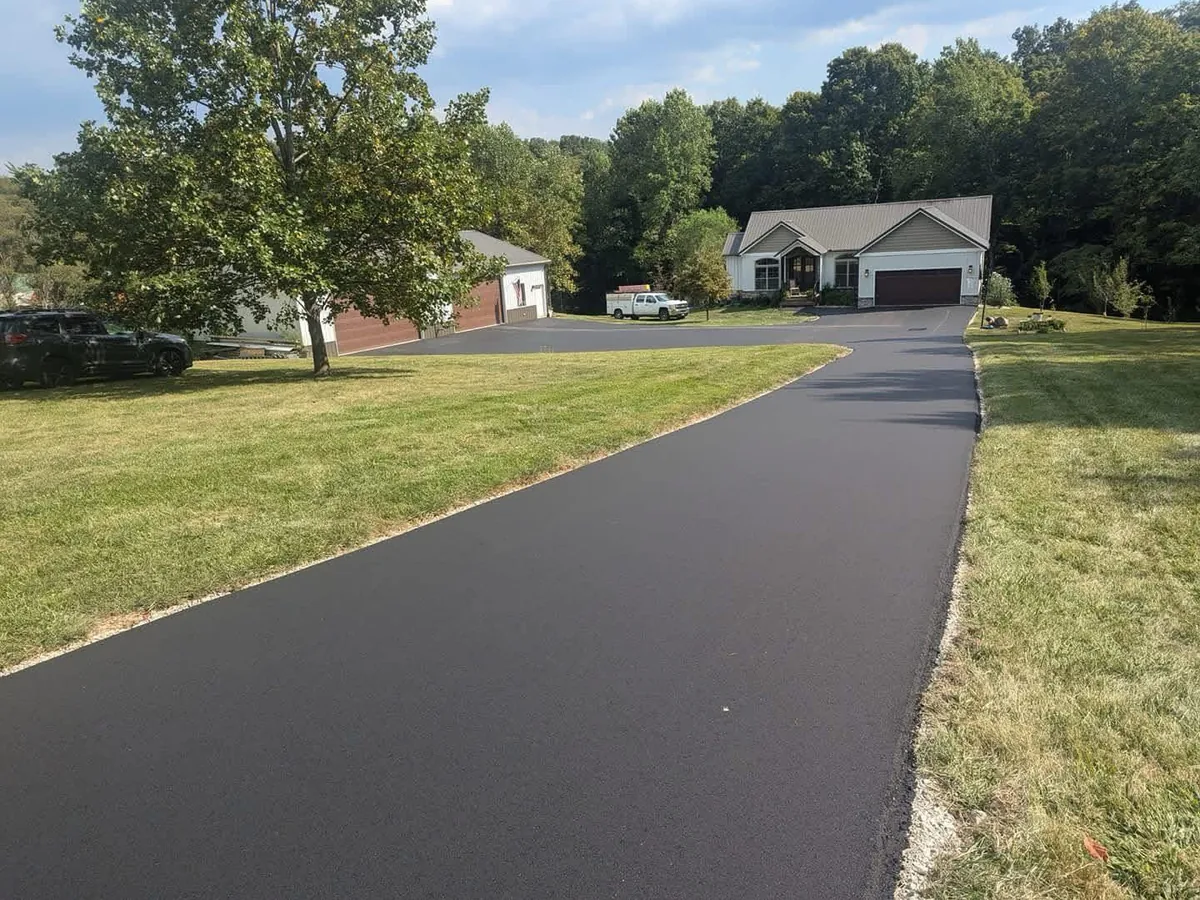
Asphalt Driveways
We pave new asphalt driveways and turn gravel driveways into asphalt. The ground is graded and the stone base compacted before the hot-mix goes down.
Learn More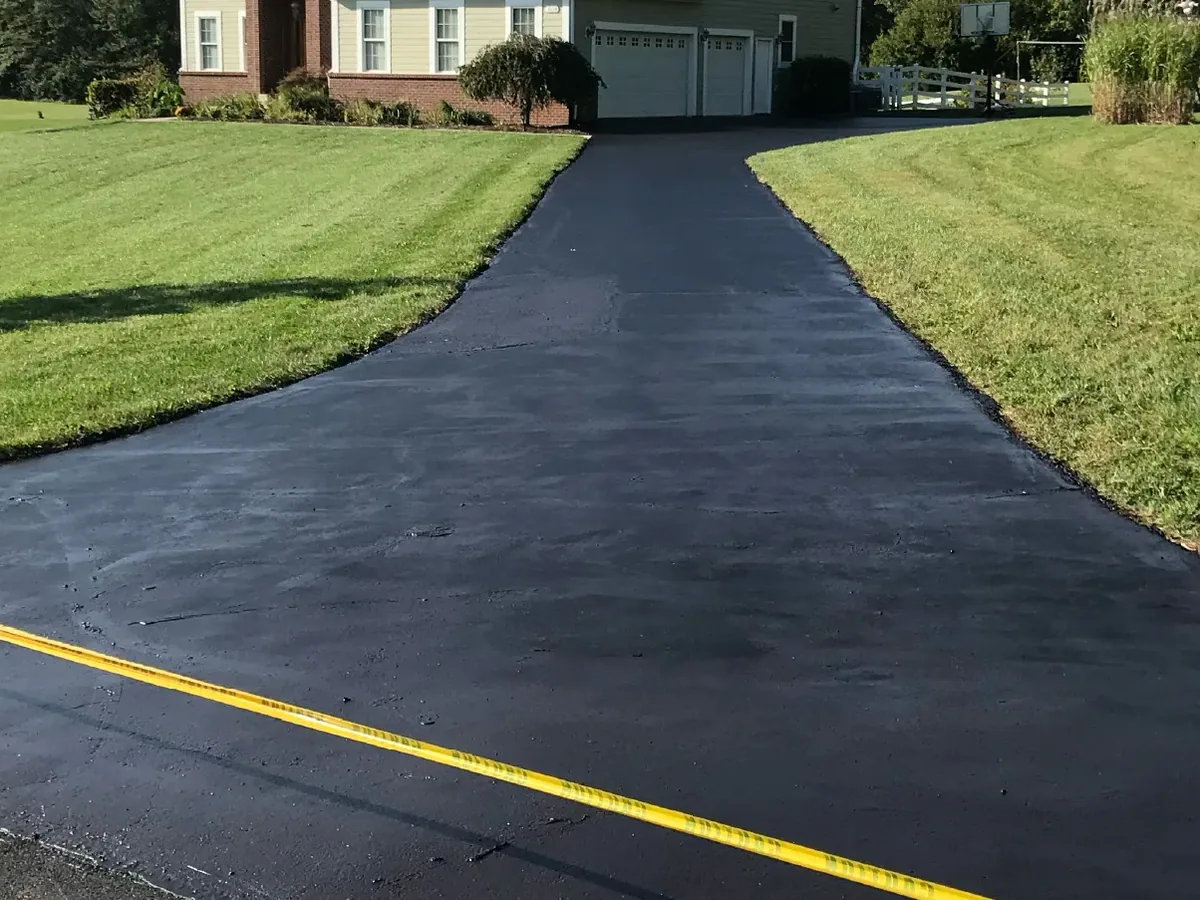
Sealcoating is a thin coat of sealer spread over asphalt that is still in good shape. Sun and rain wear asphalt down over time, and the sealer takes that wear first. SIA Paving sealcoats asphalt driveways and parking lots for homes and businesses around Sellersburg.
Driveway sealcoating protects the surface, and the base under it carries the weight. When the surface is worn past the point of a sealcoat, asphalt resurfacing puts fresh asphalt over a sound base. Where the base has failed, the fix is a new asphalt driveway. We look at the job and put the quote in writing.
Tell us about the driveway, parking lot or private road and where it is. We look at the job and put the quote in writing.
Asphalt, or blacktop, is stone held together by a black binder. Sun and rain break that binder down, and the surface turns dry and brittle with age. A sealcoat covers the top and takes that beating in place of the asphalt.
Sealer makers say fuel and oil spills seep into asphalt and soften it. A sealcoat helps keep those spills from soaking in. The asphalt industry's technical institute adds that a sealcoat closes small surface cracks and slows the loss of surface stone.
A sealcoat is a thin coat, and it adds no strength. It will not fill potholes or hold up a base that has given way. Cracks and soft spots need attention before sealer goes down, and we point them out when we look.
New asphalt needs time to cure before its first coat. A sealer maker's guide asks for at least 30 to 60 days, and a state paving association says several months. The industry's technical institute says a well-built driveway or lot should not need one for about 2 to 5 years.
That range depends on the climate and the quality of the paving. After the first coat, the state association suggests a fresh coat every 2 to 5 years. One sealer maker says winters with many freeze and thaw swings wear a sealcoat faster.
The institute's advice is to sealcoat once the surface turns dry and brittle. Small cracks and loose surface stone are signs too. Ask us to look before you sealcoat. We tell you whether your driveway is ready for a coat or can wait.
Sealer needs warm, dry weather to cure. Many in the trade call for 50 degrees and rising, held for a full day. Sealer makers also say to hold off when rain is likely in the next 24 hours. Rain in the forecast can push a sealcoat to another day.
Around Sellersburg, that makes sealcoating warm-season work. Weather records for Scottsburg and the Louisville airport both put most April and October nights at 50 degrees or colder. From June through August, nights almost never drop that low. May and September sit in between.
Winters here bring dozens of nights at freezing or colder, and most of those days thaw again. Water in small cracks expands as it freezes and pushes the cracks wider. A sealcoat in the warm months closes small surface cracks before that cycle starts.
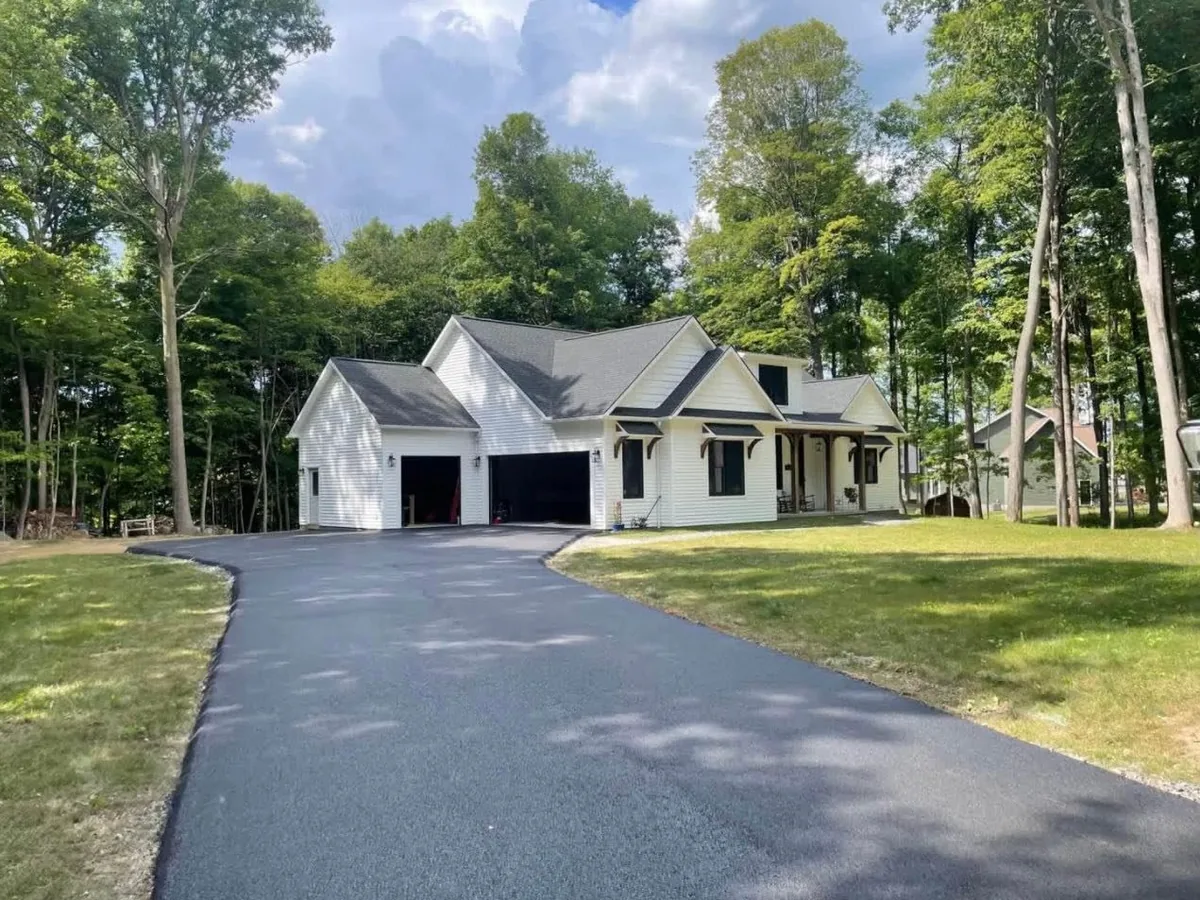
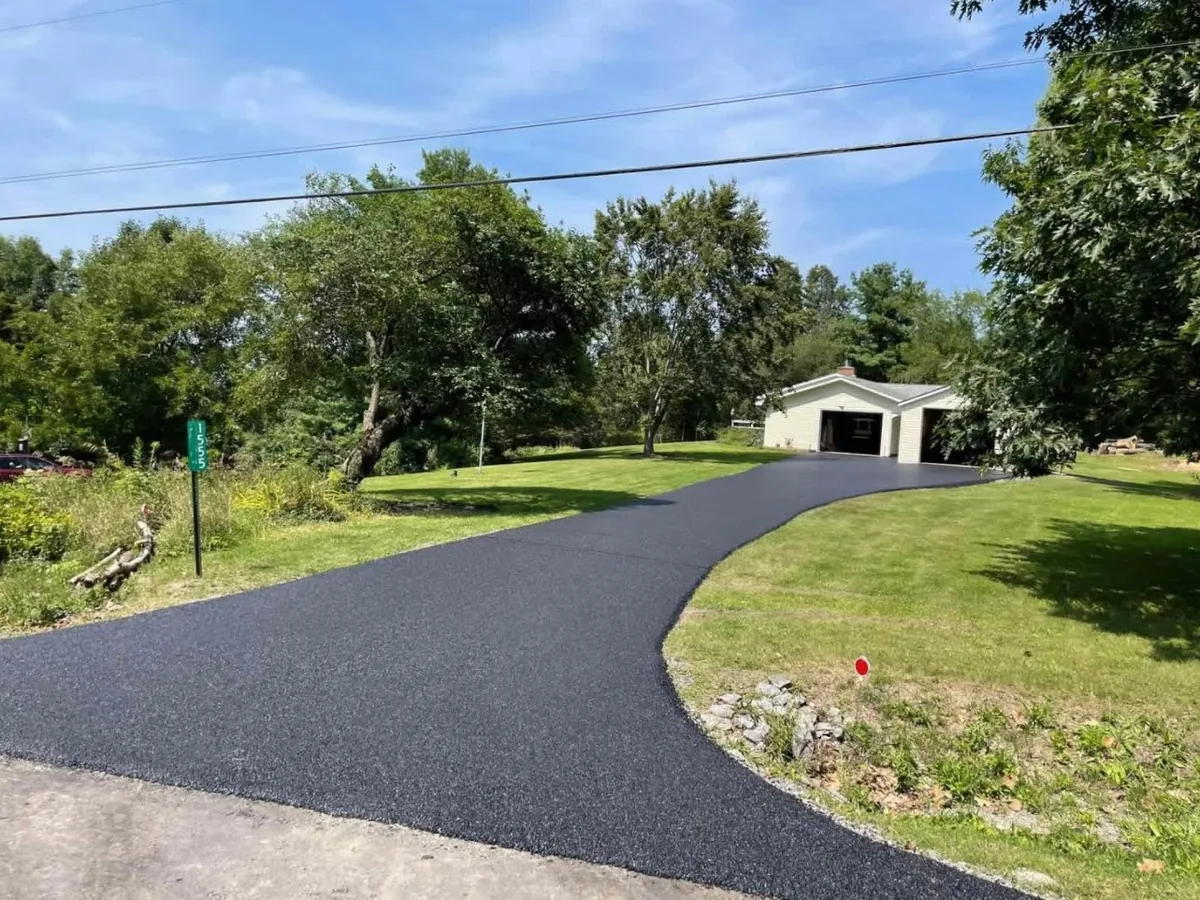
Call or text for a written quote. We work about 45 miles around Sellersburg across Southern Indiana.
(812) 913-8411From the first call or text to the finished work, here is how it goes.
Call or text (812) 913-8411, or send the quote form. Tell us what the job is and the town it is in.
We come out and look at the surface and the base under it. We also check where the water runs off.
The quote comes to you in writing, with the work spelled out. Once you say yes, the job goes on the schedule.
Where the job calls for it, old asphalt is milled off and the base is graded and compacted. Then our pavers lay the hot-mix asphalt, or the sealcoat goes on.
A parking lot we paved gets its striping once the asphalt is ready for it. We tell you when the new surface can take traffic.
Common questions about sealcoating around Sellersburg and the nearby towns of Southern Indiana. If yours is not here, call or text and ask.
We pave new asphalt driveways and turn gravel driveways into asphalt. The ground is graded and the stone base compacted before the hot-mix goes down.
Learn More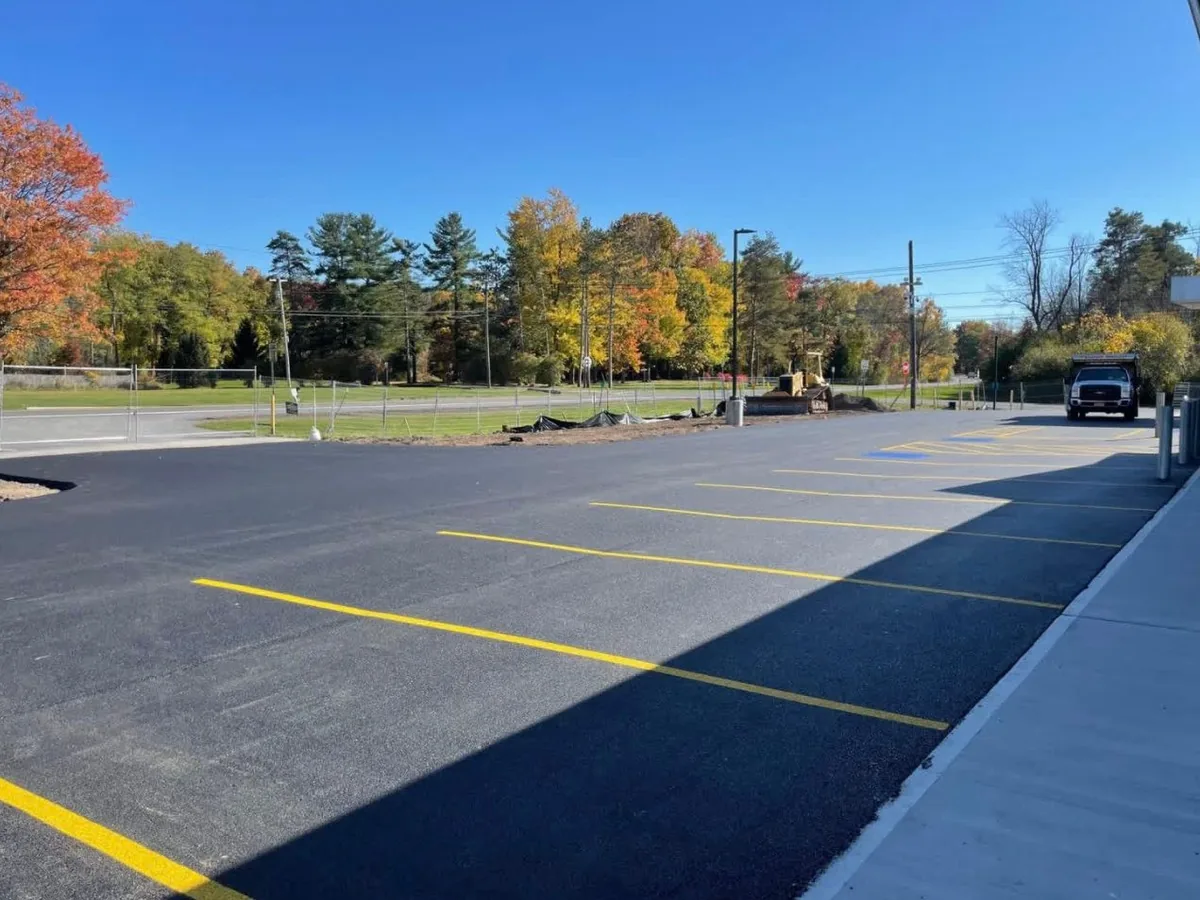
New asphalt parking lots and repaving for churches and businesses. We stripe the lots we pave as part of the job.
Learn More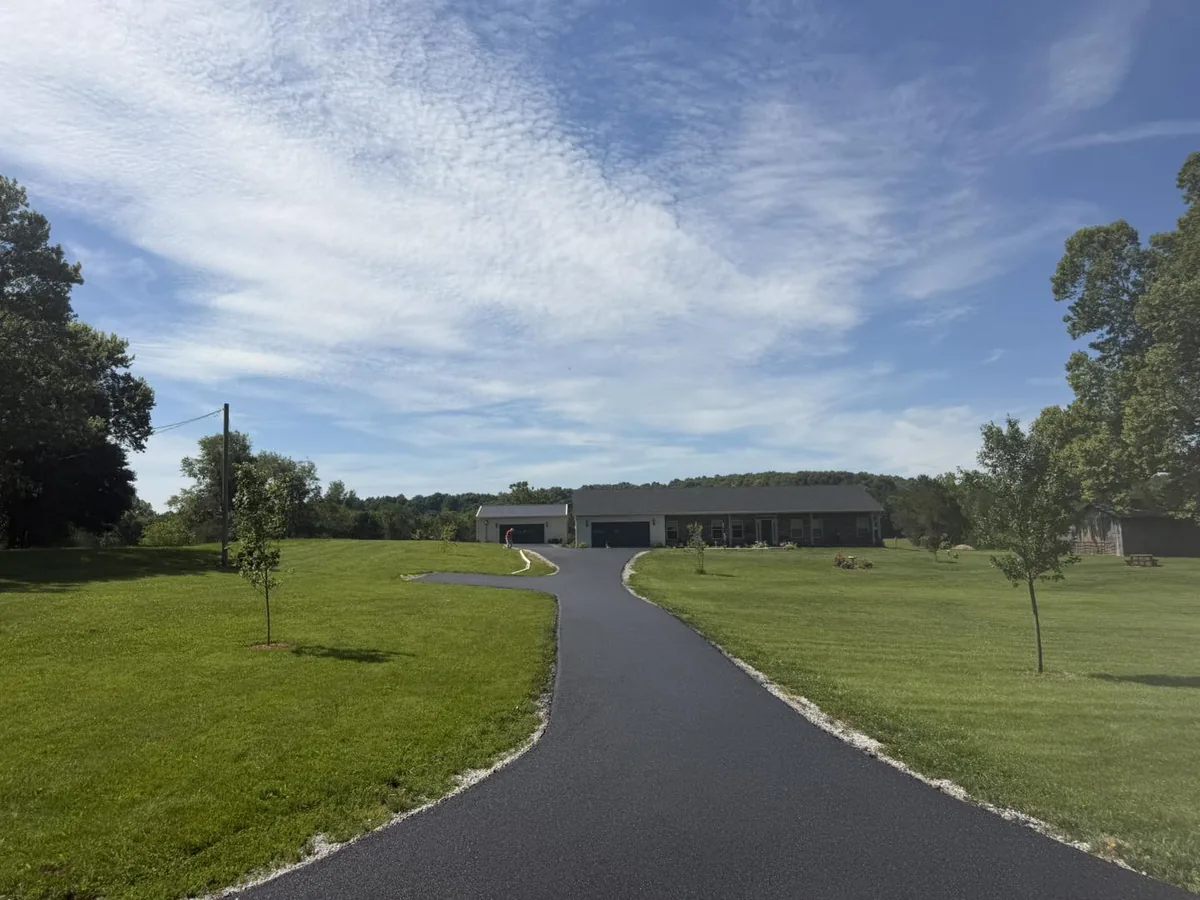
We pave private roads and subdivision streets in hot-mix asphalt. Base prep and grading come first, so the finished road sheds water.
Learn MoreOur work is asphalt: new paving, milling, resurfacing and sealcoating. We do that work on driveways, parking lots and private roads.
Hot-mix asphalt goes down with our own pavers and is compacted while it is hot. Two 40-inch skid steer planer attachments mill off old asphalt.
Our shop is in Sellersburg, in Clark County. We work about 45 miles around it, across seven counties of Southern Indiana.
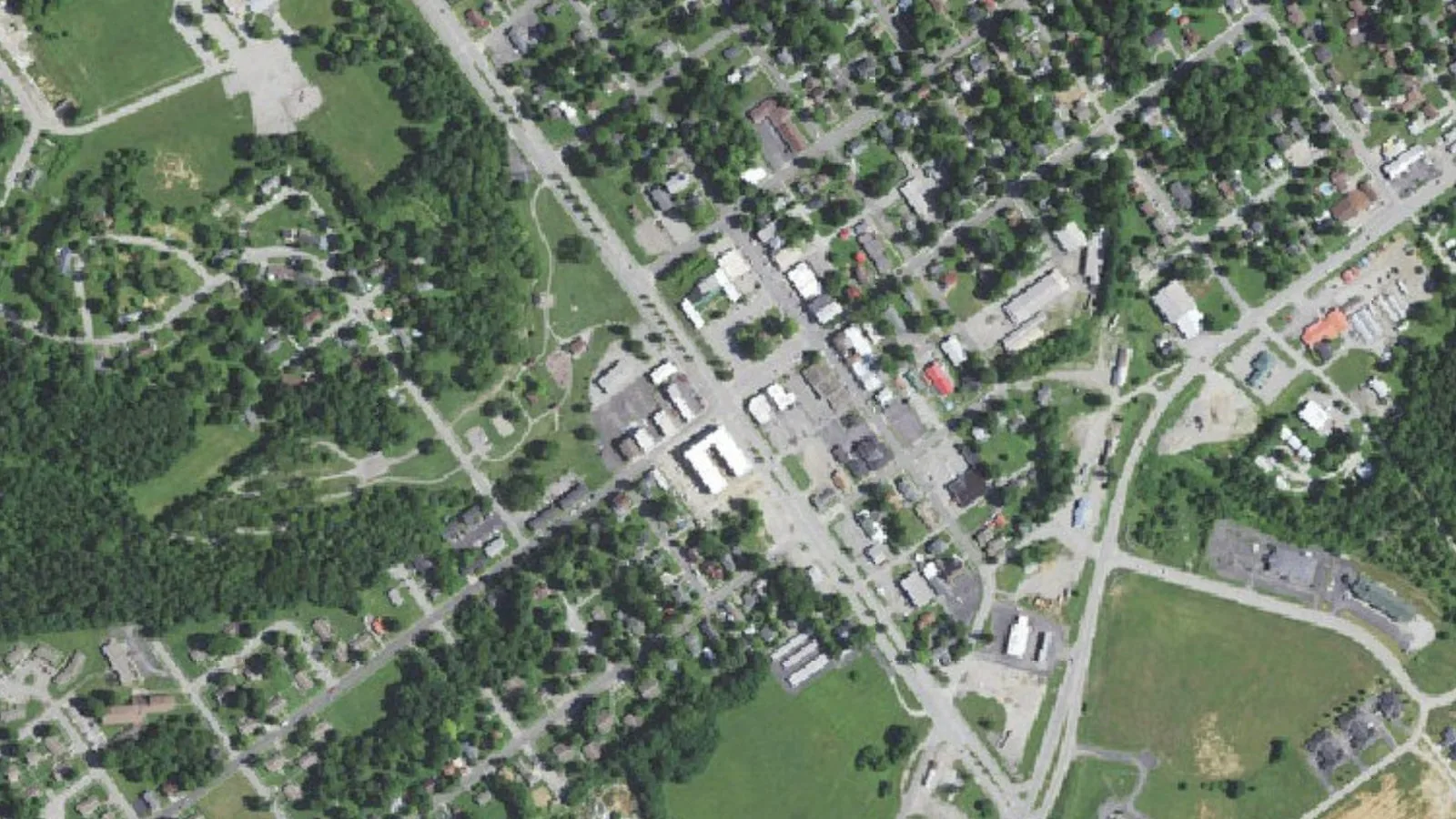
How long a new asphalt driveway in Indiana should cure before its first sealcoat, and how often to reseal it through freeze and thaw winters here.
Read more →
What a new asphalt driveway costs in Indiana: market ranges per square foot and by size. Plus Indiana asphalt prices per ton and what moves the price.
Read more →
Parking lot paving cost in Indiana: national cost guides put new asphalt at $3 to $7 per square foot. See costs by lot size and the ADA striping rules.
Read more →Tell us about the job and the town it is in. Call or text (812) 913-8411, or send the form, and we will set a time to look at it.
Tell us about the driveway, parking lot or private road and where it is. We look at the job and put the quote in writing.